
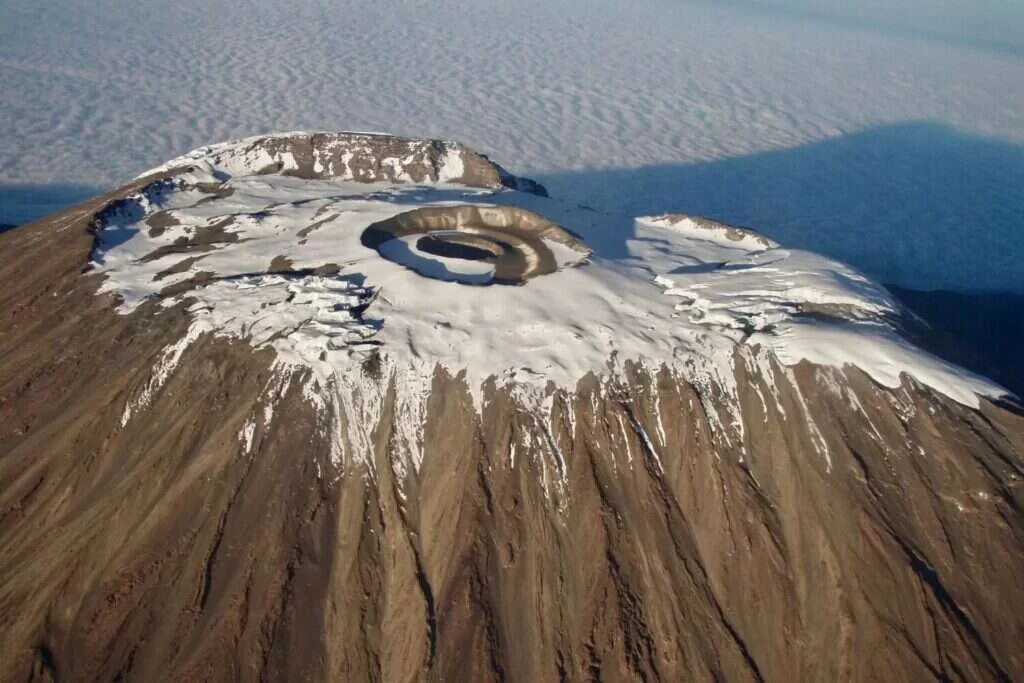
Climbing Mount Kilimanjaro is an endurance journey shaped by altitude, weather and the pace of your itinerary. A beautiful summit photograph captures one moment; preparation involves many quieter decisions about sleeping elevations, equipment, walking days and the support around you. This Kilimanjaro trekking guide helps you ask the right questions before choosing a route.
No route guarantees the summit. A responsible plan gives priority to acclimatization and sound decisions, including turning back when necessary. Reaching a lower camp safely matters more than completing a promised checklist.
Why climb Mount Kilimanjaro?
The appeal includes the changing environments as well as the summit objective. Forest paths lead towards more exposed mountain landscapes, with each day feeling different from a lowland safari. The experience can be deeply rewarding for travellers who enjoy a sustained challenge and are willing to prepare for discomfort.
It is also a guided expedition with an organised support team. Compare the operator’s staffing, equipment, emergency arrangements and porter welfare practices. These are central parts of the trip, not optional extras to consider after selecting a price.
Popular Kilimanjaro trekking routes
Machame
Machame is a popular camping approach with varied scenery. Compare the detailed itinerary and overnight stops rather than treating every Machame programme as identical. The number of days allocated on the mountain can change the pacing substantially.
Marangu
Marangu is distinguished by its mountain hut accommodation. A hut-based route still requires fitness, warm equipment and an appropriate acclimatization plan. Accommodation style does not make altitude less demanding. Inspect the published Marangu itinerary for its actual daily structure.
Lemosho
Lemosho approaches from the west and is commonly discussed when travellers want a longer camping journey. Check the exact starting point and the full elevation profile. Different programmes can share a route name while allocating their nights differently.
Rongai
Rongai approaches from the northern side. It can be considered when comparing alternative landscapes and access arrangements. The quieter reputation of a route should never replace a discussion about its daily walking and altitude demands.
Umbwe
Umbwe has a steep, demanding approach. It deserves particular care when evaluating experience, pace and acclimatization. Do not choose it simply because the advertised trip appears shorter. If considering Altaika’s Umbwe trekking programme, discuss suitability and alternatives before booking.
How to choose the right route
Start with the number of mountain days you can realistically allow. A package title may include arrival and departure days as well as trekking days. Ask for both counts and identify exactly where you sleep each night.
Then compare terrain, camping or huts, expected walking demands and opportunities for gradual adaptation. Ask why the operator recommends a particular itinerary for your background. An extra day is useful only when it forms part of a sensible plan; it is not a guarantee against altitude illness.
The official Kilimanjaro visitor guide explains access and accommodation arrangements. Use it alongside the operator’s detailed route proposal rather than relying on an informal route ranking.
Best time to climb Kilimanjaro
January–February and June–October are commonly considered when seeking generally drier conditions. Weather can still change quickly, and the mountain can present rain, cold and difficult conditions outside or within those periods. A forecast cannot remove the need for proper equipment.
Tell the operator if photography, available leave or a particular travel month is important. Ask how those dates affect route conditions and demand. Keep some flexibility in your wider holiday so the trek is not immediately followed by a stressful international connection.
Fitness and physical preparation
Build a consistent walking routine well before departure. Gradually include longer outings, hills, stairs and back-to-back walking days appropriate to your ability. Train in the boots and daypack you intend to use, so you can identify rubbing and fit problems at home.
Strength and balance work can support walking on uneven ground, while practice at a steady pace helps develop patience. Avoid treating the climb as a race. A travel-health consultation can address your medical history and personal concerns; general training advice cannot determine whether an individual is fit to climb.
Altitude acclimatization and safety
Good fitness does not prevent altitude illness. Report headache, nausea, unusual fatigue or dizziness to your guide promptly. Do not continue ascending with symptoms that may indicate altitude illness. Worsening symptoms, confusion, difficulty walking or breathlessness at rest require urgent assessment and descent with assistance.
Ask how guides monitor climbers and organise evacuation, and verify insurance that covers the planned activity and altitude. Medicines and individual preventive measures should be discussed with a qualified clinician. The CDC guidance on high-altitude travel provides general background, not a substitute for personal medical advice.
Essential Kilimanjaro packing list
Plan a layered clothing system: comfortable walking layers, insulation, waterproof outerwear and warm summit clothing. Gloves, a warm hat, suitable socks and well-fitting boots matter. A headlamp, spare power, sun protection and a practical water-carrying system should be considered with the operator’s equipment list.
Confirm the sleeping bag specification, sleeping mat, tent arrangements and any rental options before travelling. Keep spare clothing dry inside your luggage. Learn the porter luggage allowance and carry essential personal items in your daypack; a long generic packing list is less useful than a checked kit system.
What to expect during the trek
Most days follow a straightforward rhythm of walking, breaks, meals and settling into camp. Conditions become more exposed higher up, and comfort may be limited. Be prepared for shared facilities, changing appetite and a slower routine than you may be used to at home.
Summit attempts can involve a long, cold effort followed by descent. Understand the plan and listen to your guide. If you want wildlife time afterwards, our existing Kilimanjaro and safari combination article considers how to connect the experiences without overlooking recovery time.
Prepare your Kilimanjaro journey with Altaika
Describe your walking experience, available days and preferred accommodation style. Altaika can explain route options and the support arrangements, while you discuss personal health and altitude concerns with a qualified clinician.


